Corrosion Resistant Roofing
UPVC roofing sheets resist corrosion, rust, moisture, and chemical exposure, making them suitable for industrial and coastal environments.
Chemical-resistant and corrosion-proof UPVC roofing sheets designed for factories, coastal structures, fertiliser plants, and harsh industrial environments where conventional metal roofing fails prematurely.
UPVC roofing sheets are engineered for industrial environments where conventional metal roofing rapidly corrodes due to chemicals, salt air, acids, alkalis, and industrial vapours. Lightweight, corrosion-proof, UV-stabilised, and maintenance-free, UPVC sheets provide long-lasting roofing protection for chemical plants, fertiliser facilities, coastal structures, marine buildings, and harsh industrial applications. Available in multiple corrugated and trapezoidal profiles, UPVC roofing delivers reliable weather resistance, extended service life, and reduced replacement costs in highly aggressive environments.
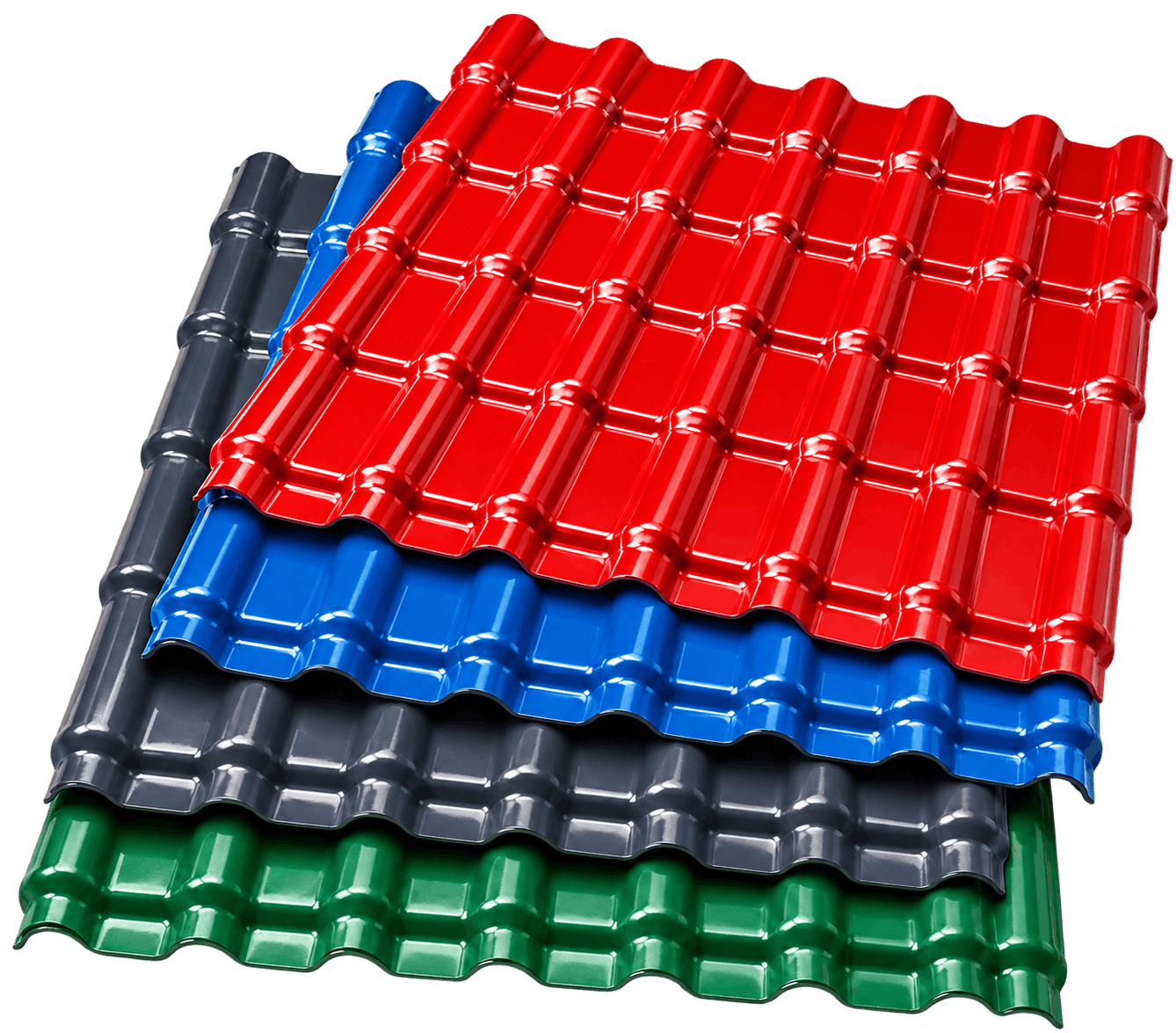
Alfa PEB Limited provides durable UPVC roofing sheets designed for corrosion resistance, lightweight installation, weather protection, and long-lasting roofing performance. Our UPVC roofing solutions are suitable for factories, warehouses, commercial buildings, agricultural sheds, residential projects, carports, canopies, and industrial roofing applications.
UPVC roofing sheets resist corrosion, rust, moisture, and chemical exposure, making them suitable for industrial and coastal environments.
Lightweight sheets are easy to handle and install, helping reduce structural load and overall installation time.
Designed to withstand sunlight, rain, wind, UV exposure, and changing weather conditions for long-term roof performance.
UPVC sheets do not require frequent painting or sealing, helping reduce maintenance effort and long-term service cost.
UPVC roofing sheets help improve indoor thermal comfort and reduce heat transfer in industrial and commercial buildings.
A practical roofing option that combines durability, low maintenance, easy installation, and long service life.
UPVC roofing sheets are a durable, lightweight, and cost-effective roofing solution for industrial, commercial, agricultural, and residential buildings. They offer excellent resistance to corrosion, UV rays, weather conditions, and moisture, making them suitable for long-term roofing performance.
Alfa PEB UPVC roofing sheets are designed for low maintenance, easy installation, energy efficiency, colour stability, and long service life. These sheets are ideal for factories, warehouses, commercial buildings, farm sheds, residential projects, and industrial roofing applications.
| Advantage | Short Description |
|---|---|
| Exceptional Durability | Resistant to corrosion, rot, moisture, UV rays, and harsh weather conditions. |
| Low Maintenance | Does not require frequent painting or sealing, helping reduce maintenance effort. |
| Lightweight Design | Easy to handle and install, reducing structural load and installation time. |
| Energy Efficiency | Helps improve thermal comfort and supports better indoor temperature control. |
| Weather Resistance | Performs well under sunlight, rain, wind, and changing climatic conditions. |
| Colour & Profile Options | Available in different colours and profiles to suit various roofing requirements. |
| Eco-Friendly Roofing | Recyclable material with long service life, reducing replacement frequency. |
| Cost-Effective Solution | Offers economical roofing performance with durability and low maintenance benefits. |
Aluminium roofing and cladding sheets are lightweight, corrosion-resistant, and durable building envelope materials used for industrial roofs, wall cladding, façades, commercial buildings, warehouses, and architectural applications. Available in trapezoidal and tile-profile designs, they provide long service life, weather protection, and an attractive finish.
| Property | Specification |
|---|---|
| Alloy Grade | AA3105-H16 |
| Thickness Range | 0.40 mm to 0.71 mm |
| Profile Type | Trapezoidal / Tile Profile Sheets |
| Sheet Width | Actual width: 1060 mm / Effective width: 1000 mm |
| Length | Customized lengths available as per project requirement |
| Colour Options | Nova Blue, Sky Blue, Tomato Red, Off White, Grey |
| Water Vapour Transmission | 0.033 |
| Fire Characteristics | BS 476 Part 6 & 7 — Class 1 & Class 0 |
| Compression Strength | ASTM D3575: 20.8 at 10% / 41.8 at 25% |
| Dimensional Stability | BS 4370 Part 1 — 1.94% change after 24 hours at 100°C |
| Functional Properties | Anti-microbial, fungi resistant, UV resistant, and chemical resistant |
| Foil Thickness | 9 micron |
| ROHS Compliance | Pass |
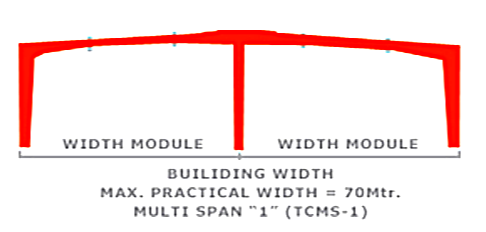
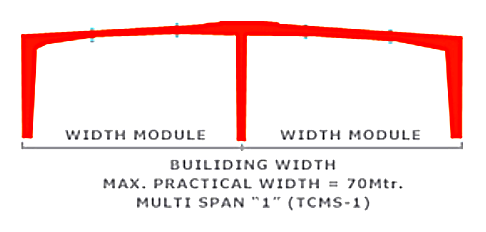
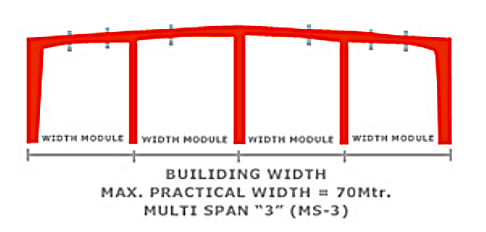
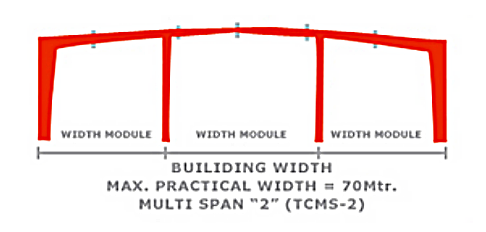
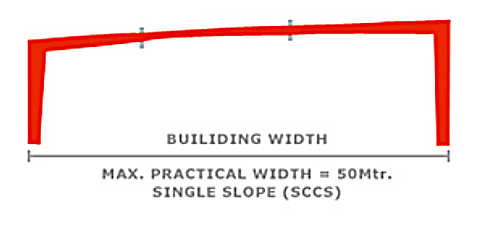
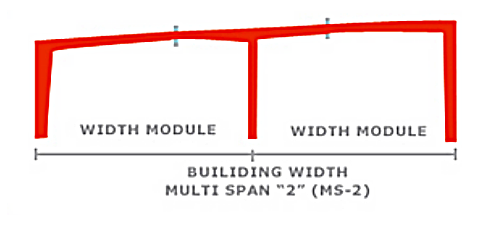
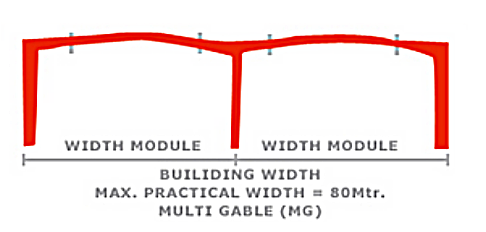
Alfa PEB Limited manufactures precision-engineered primary steel framing systems for pre-engineered buildings. Designed by experienced engineers and fabricated under quality-controlled plant conditions, our steel frames ensure strength, accuracy, durability, and reliable performance.
Our primary framing systems include columns, rafters, beams, and built-up steel sections suitable for factories, warehouses, industrial sheds, logistics facilities, and commercial steel buildings.
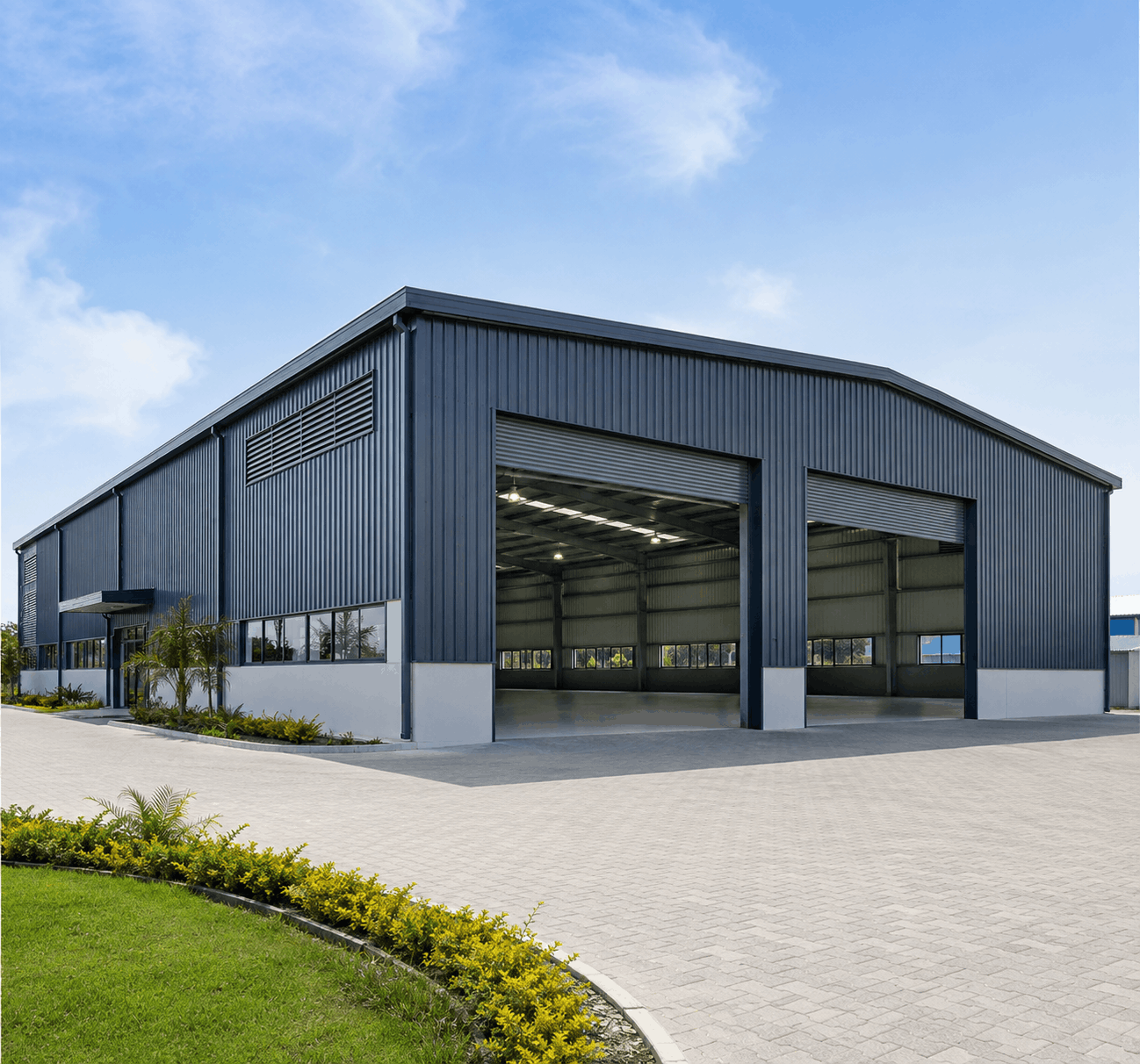
Suitable for factories, workshops, production units, and industrial sheds requiring durable roofing.
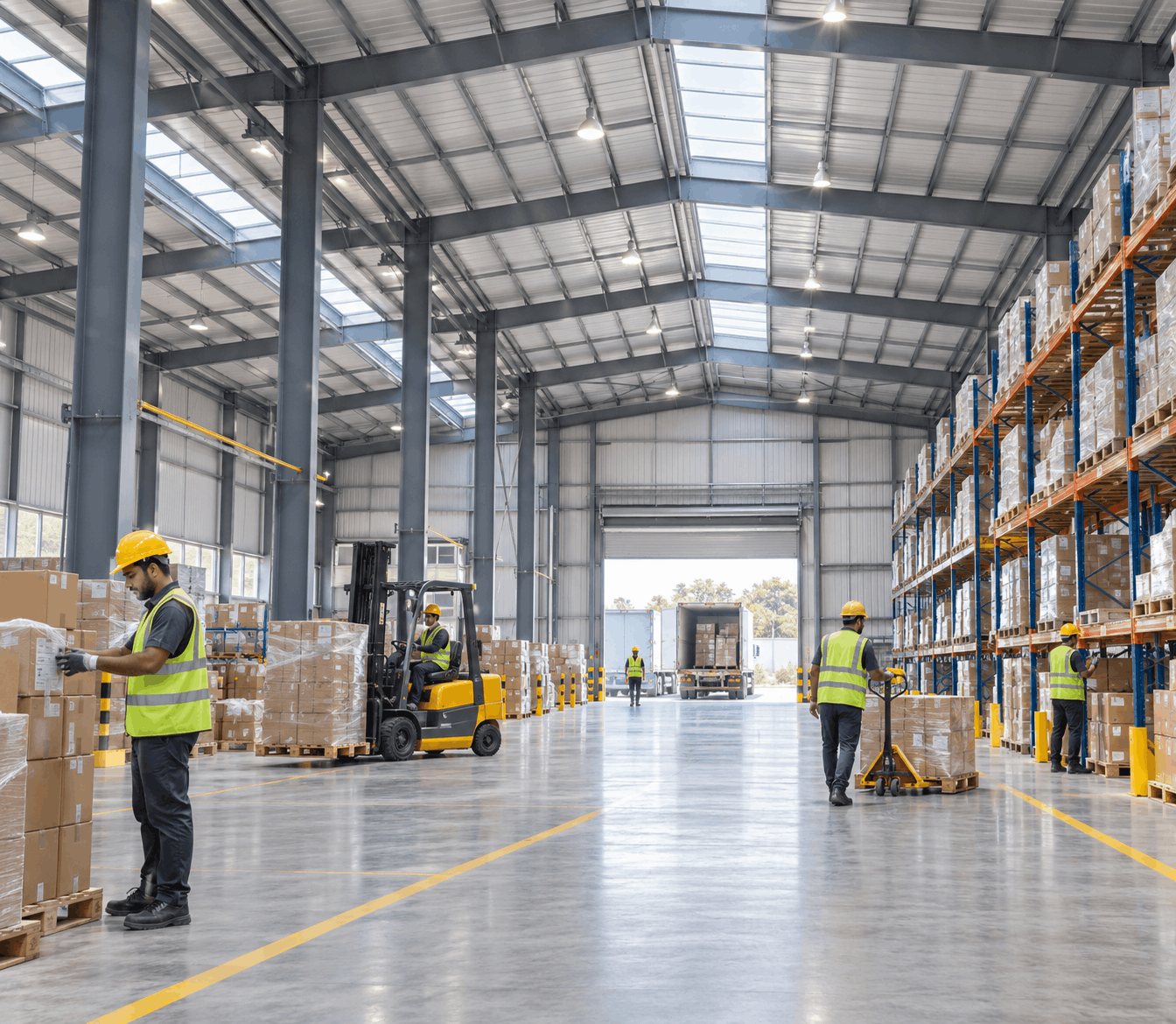
Provides lightweight and weather-resistant roofing for storage and logistics facilities.
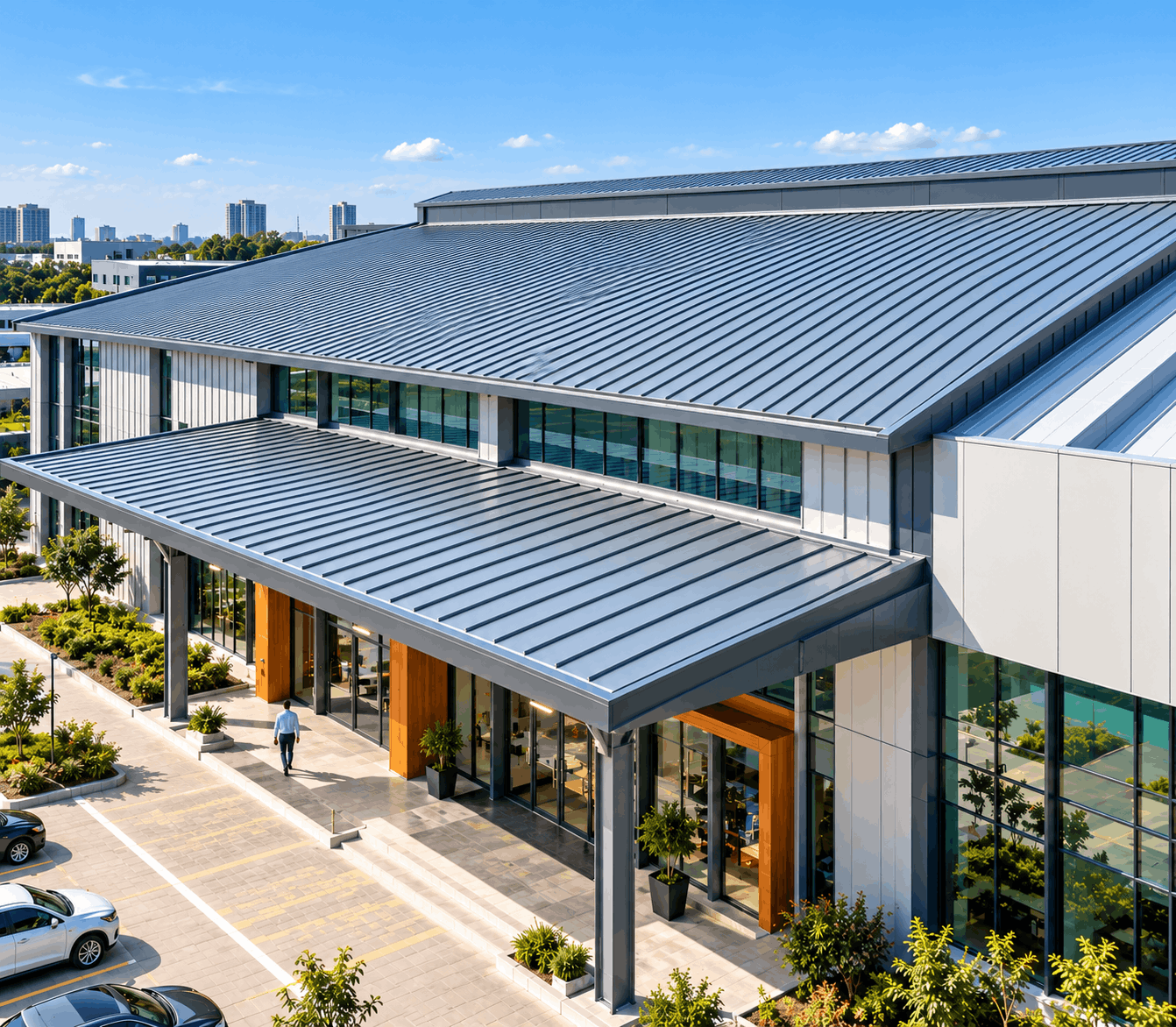
Ideal for offices, retail spaces, showrooms, and business facilities.
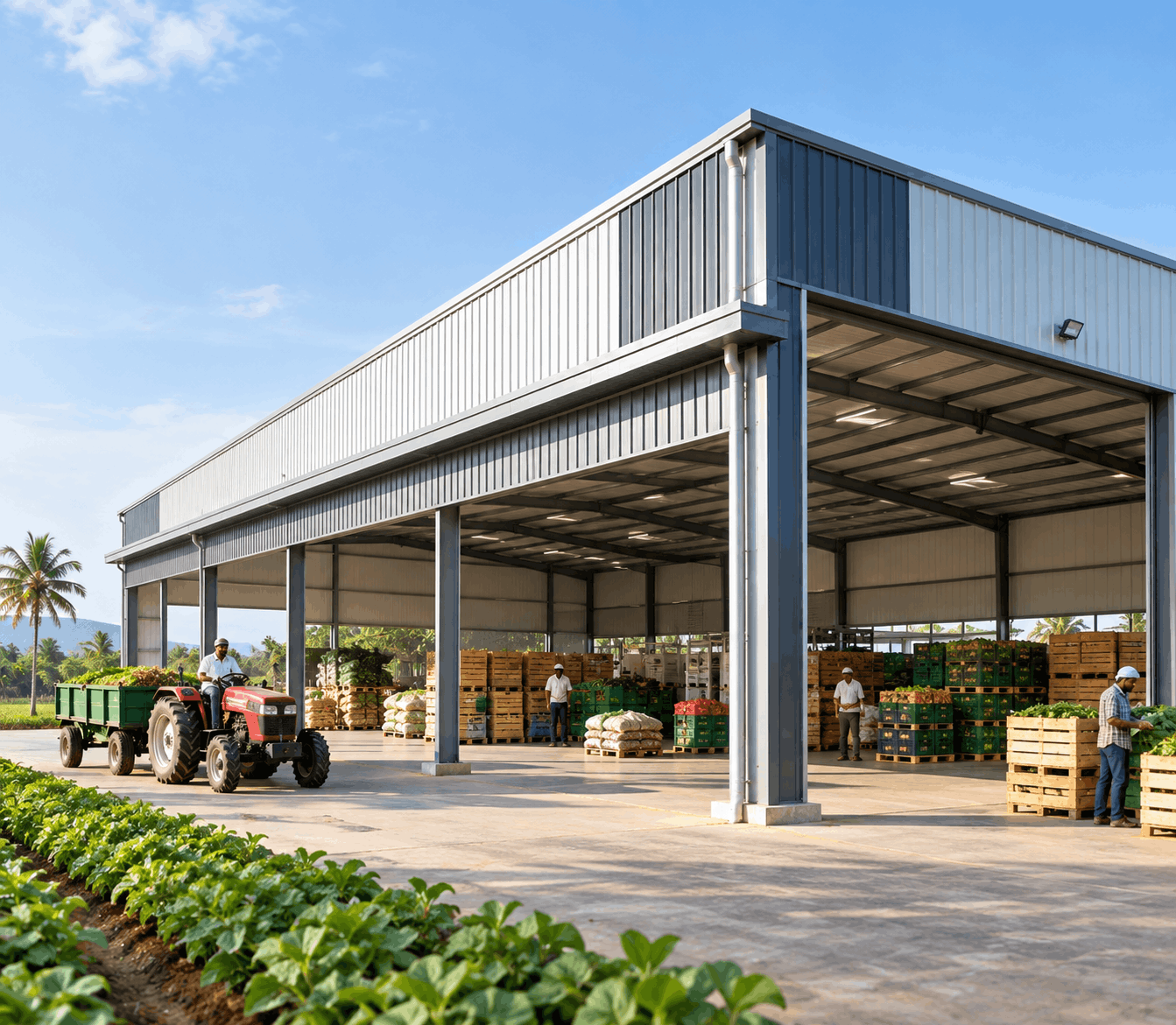
Suitable for farm sheds, poultry houses, barns, storage sheds, and agro facilities.
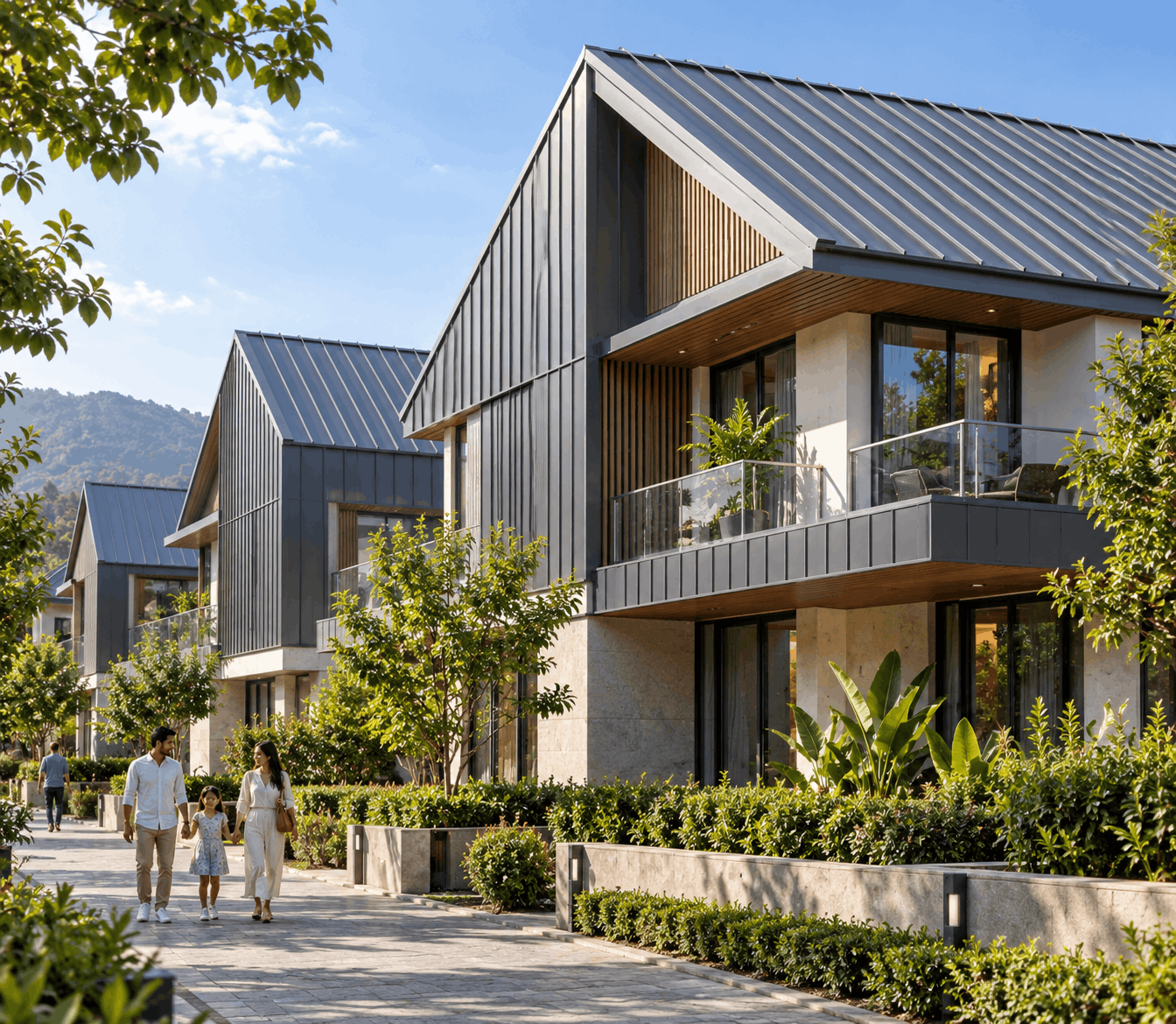
Used for homes, extensions, terraces, utility areas, and replacement roofing projects.
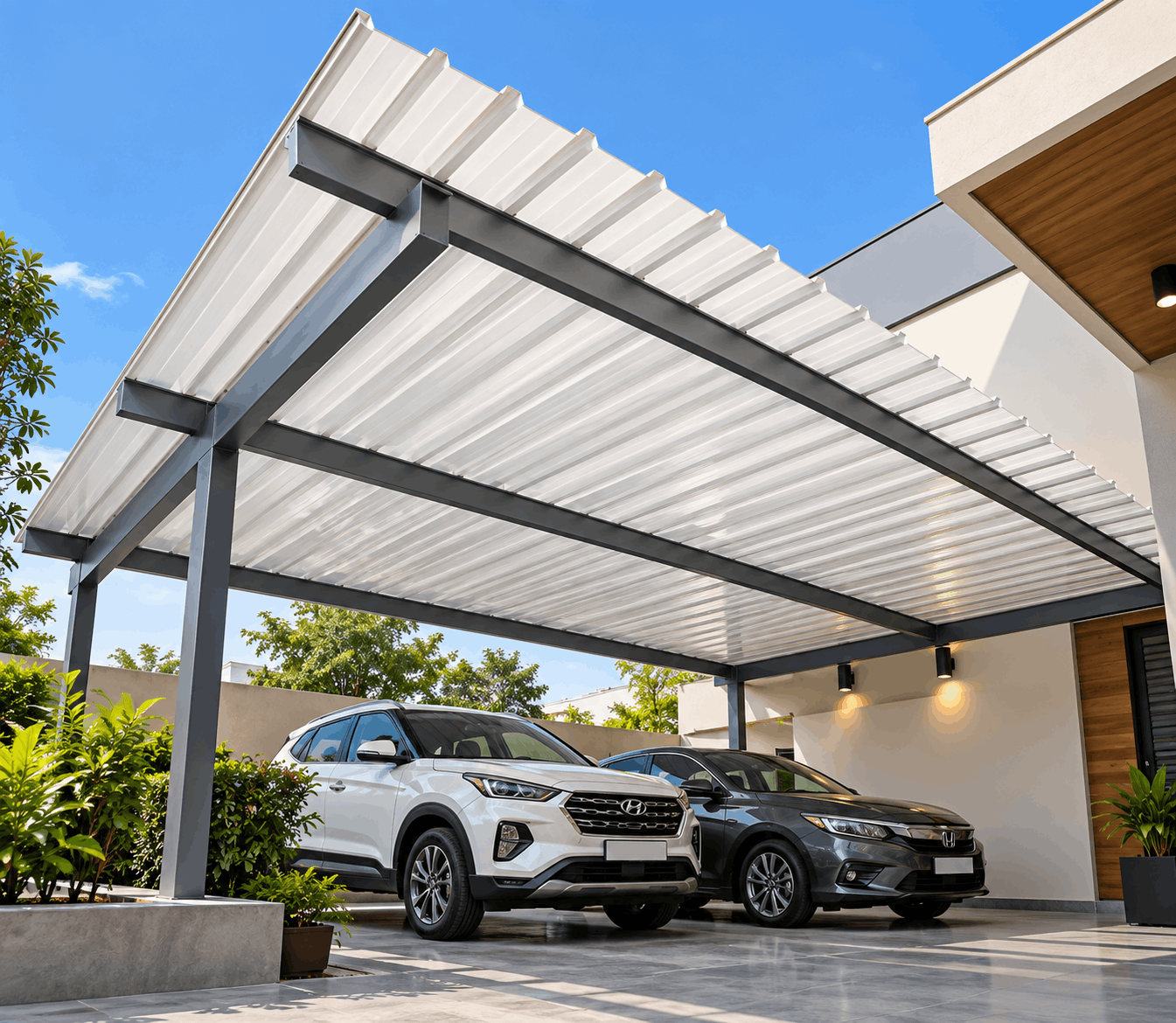
Provides reliable protection for parking areas, entrances, walkways, and outdoor shelters.
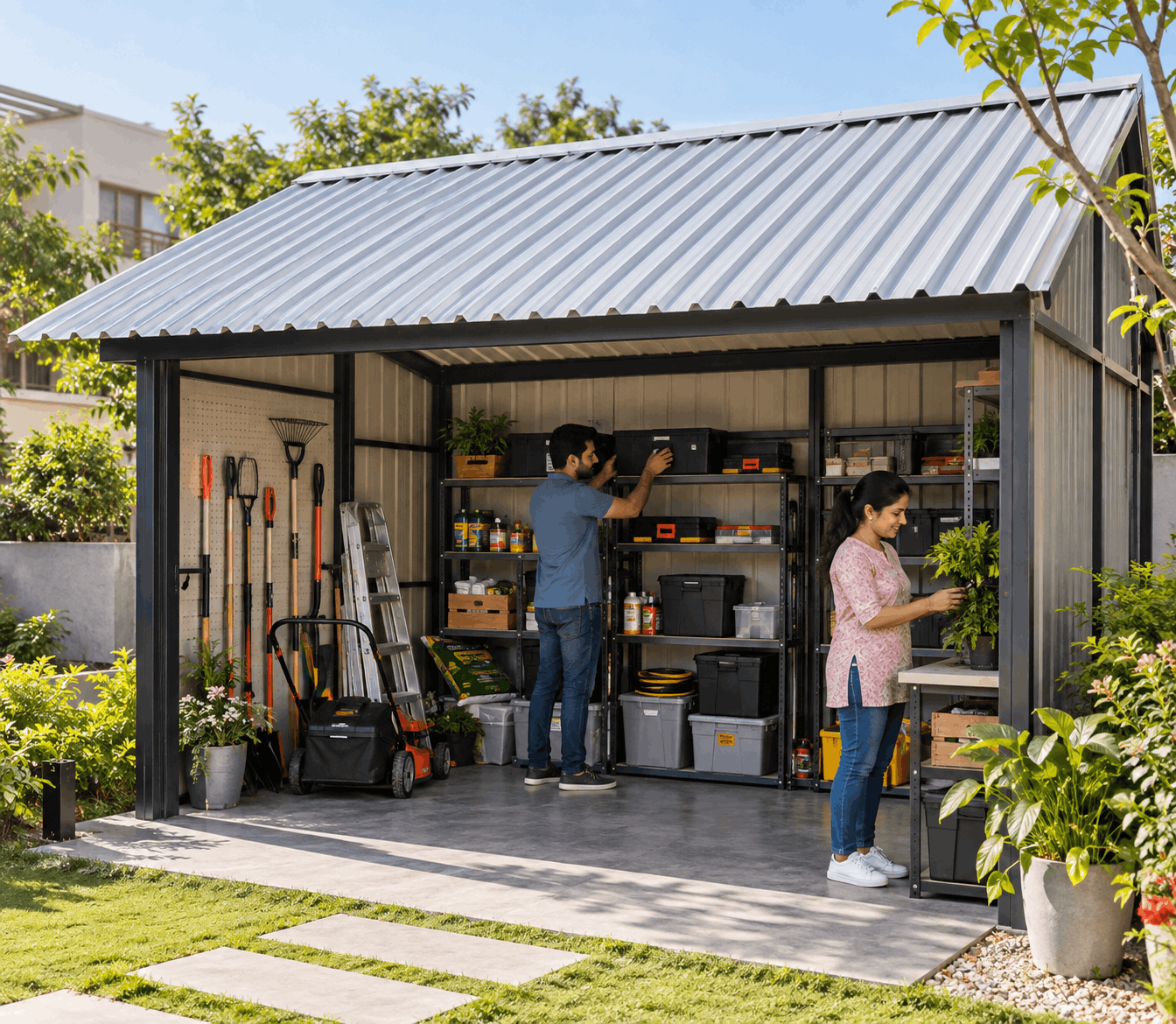
Suitable for small industrial sheds, service areas, equipment shelters, and storage units.
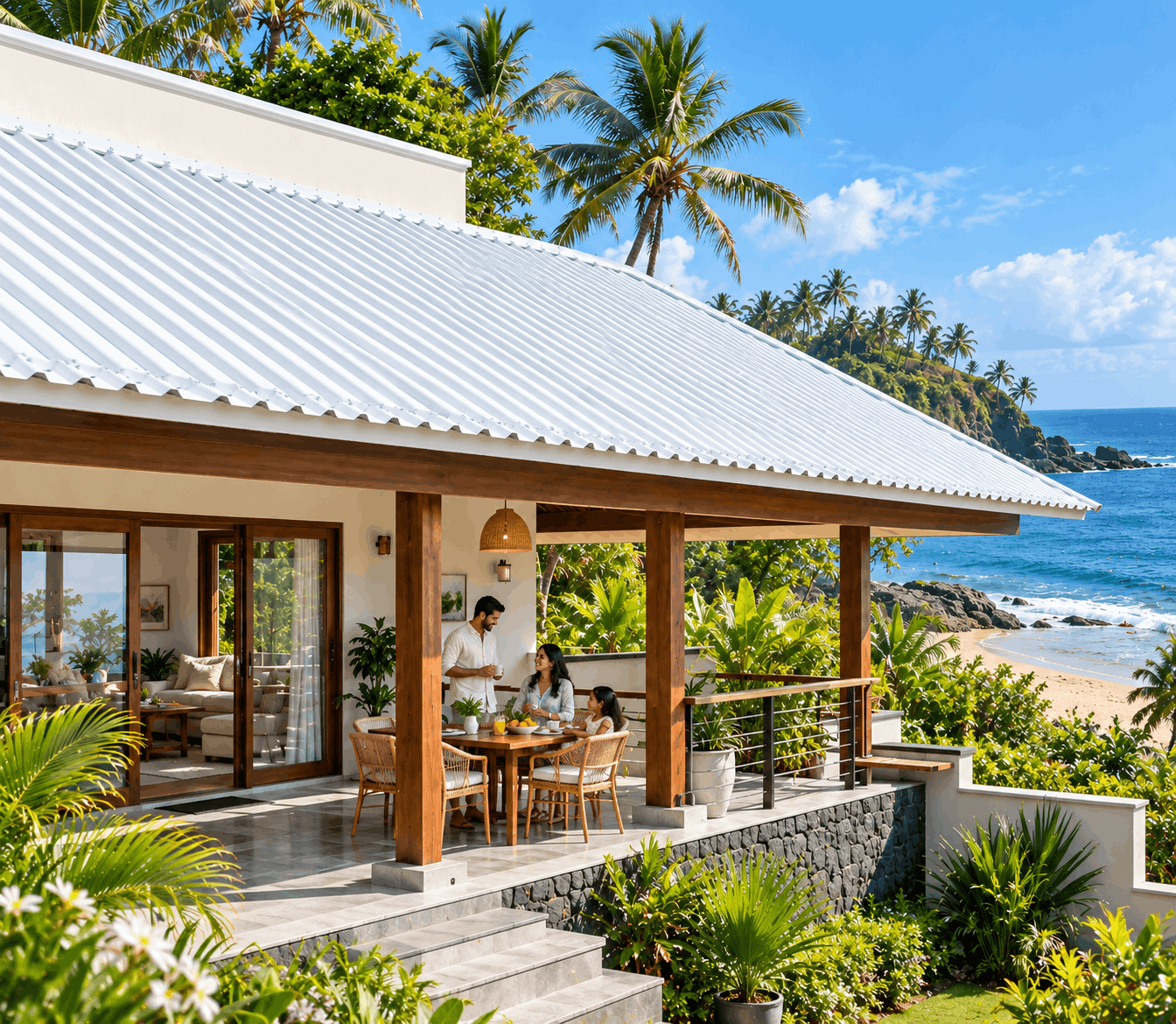
Corrosion-resistant UPVC sheets perform well in moisture-prone and coastal environments.
Metal roofing even high-quality PPGL corrodes in the presence of acids, chlorine compounds, ammonia, salt spray, and many industrial chemical atmospheres. In standard environments, this corrosion is slow and PPGL provides 25+ years of service. In highly corrosive environments, the same coating can fail in 3–5 years, with the accelerated corrosion progressing from the coating to the steel substrate, to the fasteners, and eventually to the supporting purlin structure. UPVC is chemically inert it does not react with acids, alkalis, salt, chlorine, ammonia, or the vast majority of industrial chemical atmospheres. It does not corrode, rust, or structurally degrade through chemical attack. In environments where metal fails early, UPVC's higher initial unit cost is recovered within the first re-roofing cycle it avoids making it the economically rational choice for aggressive-environment roofing.
UPVC roofing sheets are significantly lighter than steel typically 4–6 kg/m² depending on profile and thickness, compared to 8–12 kg/m² for a standard trapezoidal steel sheet reducing roof dead loads and, in some cases, allowing lighter purlin and structural steel specifications. UPVC also has considerably lower thermal conductivity than steel, meaning it conducts less heat from the external roof surface to the building interior reducing radiant heat gain under direct solar exposure. UPVC sheets expand and contract more than metal under temperature change, which is why correct installation requires oversized fixing holes and flexible sealing at laps allowing longitudinal movement without sheet stress or fastener pullout.
Yes UPVC roofing sheets are available in both solid (opaque) and translucent formats. Translucent UPVC sheets allow natural daylight into the building while maintaining the same chemical resistance and weatherproof properties as solid sheets providing a combined daylighting and chemically resistant roofing solution in a single sheet type. This makes translucent UPVC particularly useful in chemical plants, processing facilities, and other corrosive environments where polycarbonate daylighting panels are unsuitable due to chemical exposure. Solid sheets are available in standard colours grey, white, and green being most common for industrial applications.
UPVC installation differs from metal in two important respects. First, thermal expansion: UPVC expands and contracts significantly more than steel under temperature change — fixing holes must be oversized (typically 2–3mm larger than the fastener diameter) to allow longitudinal sheet movement without cracking at the fixing point. Second, fasteners: UPVC-compatible fasteners with neoprene or EPDM washers are required — standard metal roofing hex-head screws with EPDM washers are generally compatible, but the washer compression must not over-tighten to the point of restricting thermal movement. Lap sealing follows the same principles as metal roofing, but with a butyl or similar flexible sealant suitable for PVC contact.
UPVC roofing requires minimal maintenance compared to metal alternatives. There is no paint or coating to inspect, maintain, or reapply. The primary maintenance activity is periodic washing to remove surface deposits — chemical residue, atmospheric contamination, or algae growth — which can be done with standard pressure washing. In chemically aggressive environments, an annual inspection of fixing points for correct thermal movement clearance and lap seal integrity is recommended. The UV stabiliser in the sheet material gradually depletes over time with solar exposure — the rate depends on UV intensity, geographic location, and the UV stabiliser specification of the sheet — and provides the primary determinant of the sheet's effective service life in outdoor exposure.
Share your requirements and our team will deliver the right PEB solution—from concept and engineering to execution.
Request a Quote